Bowling gear has come a long way from ancient times. Back in the day, people used stones and simple wooden pins. Today, high-tech equipment makes every game more exciting. Proper gear can change your game and boost your confidence.
Let’s explore how bowling equipment evolved and what makes modern gear so essential.
A Journey Through Time
The story of bowling equipment runs parallel to bowling’s own history. Early players used basic materials. In ancient Egypt, simple stone balls rolled against makeshift targets.
Over time, medieval bowlers swapped rough-hewn objects for hand-crafted wooden pins and balls. As bowling moved into organized leagues and digital scoring, equipment became more advanced.
Modern gear not only improves performance but also honors the sport’s storied past.
And if you ever wonder how every roll adds up, try our bowling score calculator to see the magic of modern scoring systems in action.
For those curious about the full evolution of the game, check out our history of bowling page for an in-depth look at its fascinating past.
The Evolution Of Bowling Balls
Bowling balls are the heart of the game. Early balls were carved from stone or wood. They were heavy and simple, without any fancy design.
Today, bowling balls are made from advanced plastics and reactive resins.
This change means improved control and power with every throw.
Modern balls feature detailed core designs that shape the ball’s motion. A well-designed core helps the ball hook smoothly into the pins.
Choosing the right weight is important too. Balls range from light to heavy.
Beginners often start with a lighter ball, while experienced players opt for a heavier ball that can knock down more pins.
Surface technology plays its own role. Polished surfaces make balls slide longer down the lane, while sanding or texturing the ball changes its reaction on different lane conditions.
This variety means every player can find a ball that fits their style perfectly.
Bowling Pins: Design And Durability
Bowling pins have also seen a big change over the years. Early pins were simple pieces of wood—handcrafted and prone to breaking.
Now, pins are made of durable synthetic materials.
This modern design means pins can handle repeated impacts without losing shape.
Today’s pins are more uniform, which improves fairness in the game. Standardized pins help keep scores reliable across different lanes and tournaments.
Regular maintenance, including cleaning and careful storage, keeps pins in top shape.
After all, the perfect strike depends on the pins staying true to their form.
Bowling Shoes: The Unsung Heroes
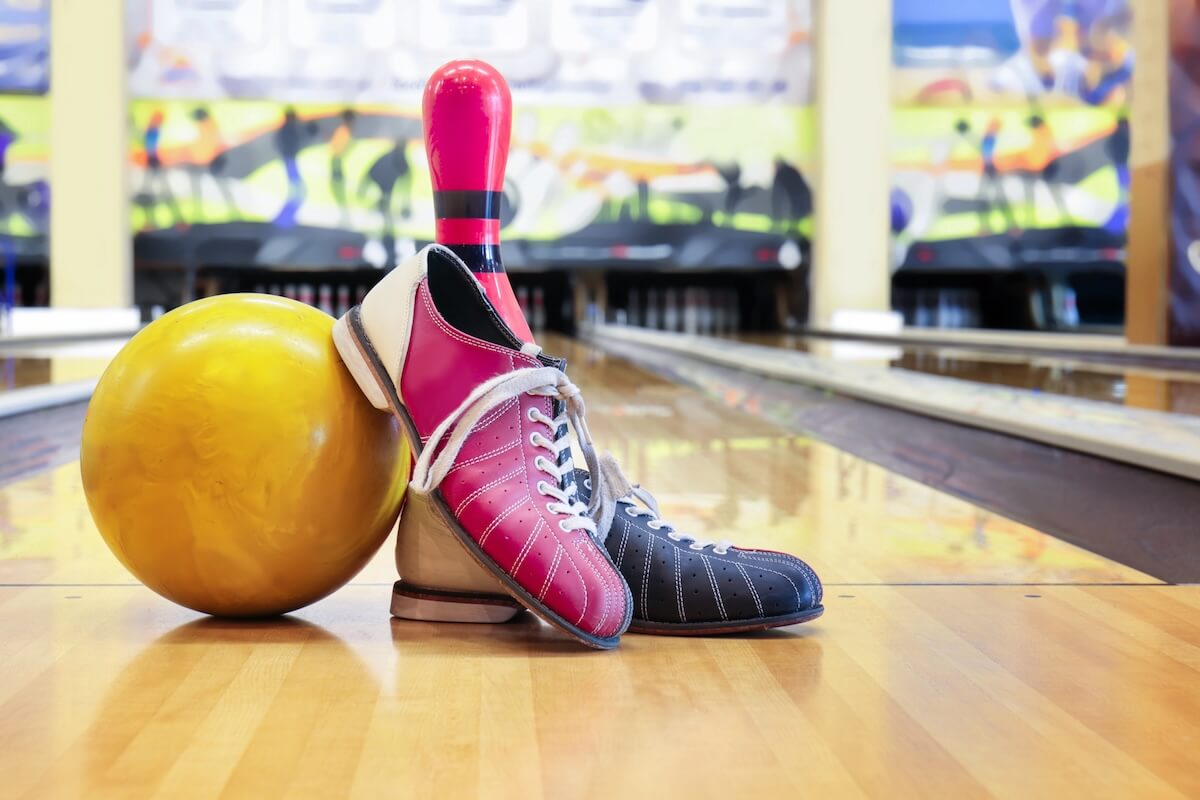
While balls and pins often steal the spotlight, bowling shoes are equally important. They provide the grip and slide needed for a perfect approach.
In the past, bowlers wore heavy, generic shoes. Now, shoes are designed with precision.
Modern bowling shoes have a slip-resistant sole on one foot for the approach and a sliding sole on the other to help release the ball smoothly.
Materials matter here, too. Custom shoes offer a snug fit and better performance than rental shoes.
A good pair of shoes minimizes injury and boosts confidence.
Whether you’re a beginner or a seasoned pro, the right shoes make every step down the lane feel just right.
Accessories And Add-Ons
Bowling gear isn’t limited to balls, pins and shoes. Many accessories support a better game.
Towels keep your ball clean, while bags protect your equipment on the go.
Some bowlers even use gloves to improve grip and reduce moisture. And wearable tech is making its way into bowling.
Devices that track your motion and provide real-time feedback help you perfect your form.
These add-ons turn each game into a mini training session, bridging the gap between fun and performance.
How To Choose The Right Gear
Picking the right equipment depends on your skill level and style. Beginners should look for gear that is forgiving and easy to handle.
A lightweight ball and comfortable shoes can make a huge difference. Seasoned bowlers may prefer customized equipment tailored to their specific playing style.
Budget is another factor. Quality gear can be expensive, but investing wisely can pay off in performance and longevity.
Many pro shops let you try different options before you buy. Testing gear on the lanes can help you decide what fits best.
Always consider the lane conditions where you play. Some balls perform better on oily lanes, while others shine on drier surfaces.
Taking these details into account will help you select the gear that complements your game.
Maintenance And Upkeep
Maintaining your equipment is as important as choosing the right gear. Modern balls and shoes are designed to last but proper care makes them even more durable.
Cleaning your ball regularly removes oils and dirt that can affect its performance. Store shoes in a dry, well-ventilated area to keep them comfortable and odor-free.
Pins may not be your responsibility if you’re playing in a bowling center but understanding their care gives you insight into the overall game experience.
Just as the ancient bowlers cared for their simple wooden pins, modern lanes require careful upkeep to ensure fairness and consistency.